

How Long Does It Take for Astaxanthin to Make You Tan?
When people search whether astaxanthin can help them tan, they are usually not just looking to get darker.
What they often want is something more specific:
A tan that looks more even, lasts longer, and leaves the skin looking healthy rather than dry or irritated.
This is where astaxanthin becomes relevant.
It does not work by increasing pigmentation directly, but it may influence how your skin responds to sun exposure and how your tan looks over time.
Then Why Do People Say It Helps With Tanning?
This is where the confusion usually comes from.
Astaxanthin is a carotenoid, and like other carotenoids, it can gradually accumulate in the outer layers of the skin.
Over time, this may contribute to a more even-looking tone, a subtle warm undertone, and an overall healthier appearance.
This is not the same as melanin production.
However, when the skin looks more balanced and less affected by irritation or uneven texture, a natural tan can appear smoother and more uniform.
For many people, this improvement in appearance is what gets described as “better tanning.”
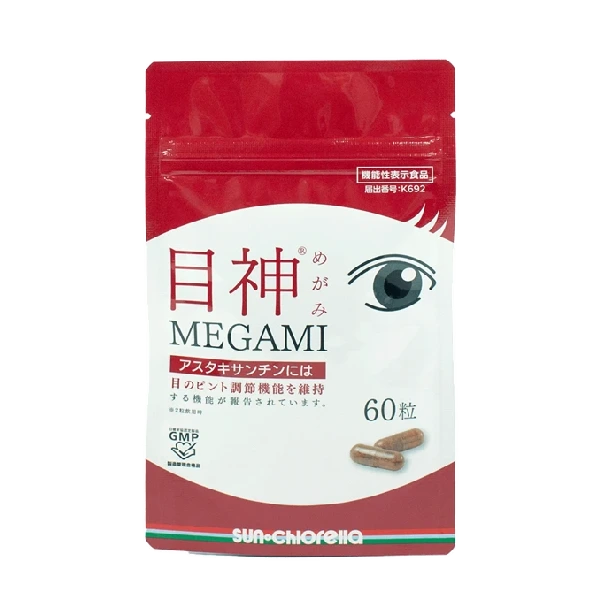
START YOUR ASTAXANTHIN ROUTINE
MEGAMI | Premium Astaxanthin from Japan
Discover MEGAMI, featuring natural astaxanthin with antioxidant properties. An easy way to incorporate astaxanthin into your daily wellness routine.
Discover MEGAMI →Does Astaxanthin Stimulate Melanin?
A real tan happens when UV radiation stimulates melanocytes to produce melanin. This pigment darkens the skin as a protective response.
Astaxanthin does not directly activate melanogenesis. It does not work like sun exposure, and it is not a self-tanner.
In fact, laboratory research suggests that astaxanthin may regulate oxidative processes involved in pigmentation pathways rather than stimulate them.
So if the expectation is:
“Take astaxanthin and get darker without sun exposure”
That is not its role.
How Long Does It Take to Notice Changes?
Because astaxanthin works through gradual antioxidant integration, any visible effect is not immediate.
Carotenoids typically accumulate slowly in tissues. With consistent intake, subtle changes in skin appearance may begin to be noticed after several weeks.
Commonly reported timeframes in supplement routines range from:
4 to 8 weeks of regular use.
This reflects gradual incorporation into skin tissue and improved resilience against oxidative stress.
It works gradually as part of a longer-term approach to skin health.
What You May Notice After a Few Weeks
With consistent use over several weeks, the changes associated with astaxanthin are usually subtle but noticeable.
Rather than making the skin darker, the effect is more related to how the skin looks and responds over time.
Some people report that their skin appears:
- More even in tone
- Less reactive to sun exposure
- Smoother in texture
- With a more natural, healthy glow
These changes are not the result of increased pigmentation, but of improved skin condition and reduced oxidative stress.
Because of this, any existing tan may appear more balanced and visually consistent, rather than deeper in color.
What Changes Over Time
The effects of astaxanthin are gradual and tend to build over time rather than appearing suddenly.
In the first couple of weeks, changes may not be immediately visible, but the skin may begin to feel more stable and less reactive.
Between weeks 3 to 6, some people start to notice a more even-looking tone and a healthier overall appearance, especially with regular sun exposure.
With continued use beyond this point, the effect is less about becoming darker and more about maintaining a smoother, more balanced look.
What Astaxanthin Actually Does During Sun Exposure
This is the most important part.
Sun exposure creates oxidative stress in the skin. That stress contributes to:
- Redness
- Inflammation
- Collagen breakdown
- Uneven pigmentation
- Premature aging
Astaxanthin is known for its antioxidant capacity. Its molecular structure allows it to:
- Neutralize free radicals
- Support skin barrier integrity
- Reduce inflammatory signaling triggered by UV
This does not replace sunscreen.
It does not block UV rays.
But it may help the skin respond more calmly to environmental stress.
And healthier skin often looks:
- More even
- Less irritated
- More luminous
That improved appearance is sometimes mistaken for “better tanning.”
Is It Better Than Just Sun Exposure?
Relying solely on UV exposure to deepen a tan carries well-established risks:
- Photoaging
- Loss of elasticity
- Increased pigmentation irregularities
- Elevated skin cancer risk
If the goal is long-term skin health, supporting the skin’s antioxidant defenses is a more sustainable strategy than increasing sun intensity.
Astaxanthin fits into this approach as part of a broader skin-support routine.
Setting Realistic Expectations
Astaxanthin will not:
- Instantly darken your skin
- Replace self-tanners
- Eliminate the need for sun protection
It may:
- Support skin resilience
- Contribute to a healthy glow
- Help maintain more balanced tone during sun exposure
The difference matters.
Looking for a More Even, Healthy-Looking Tan?
Astaxanthin does not increase pigmentation directly, but it can support how your skin looks and responds to sun exposure over time, helping maintain a smoother and more balanced appearance.
Discover MEGAMI
Who This May Be Most Relevant For
Astaxanthin is not designed for those looking for a rapid or intense tanning effect.
However, it may be more relevant for those who:
- Spend time outdoors and want to maintain a more balanced skin appearance
- Prefer a more natural-looking tan rather than a deeper, faster one
- Are concerned about how their skin responds to sun exposure over time
- Want to support overall skin condition alongside sun exposure
A Balanced Perspective
If your goal is a darker tan as quickly as possible, astaxanthin is not designed for that purpose.
If your goal is to maintain healthier-looking skin while spending time outdoors, its antioxidant properties may play a supportive role over time.
Products such as MEGAMI provide naturally derived astaxanthin from Haematococcus microalgae, designed for consistent daily use as part of a broader skin wellness routine.
The visible effects, when they occur, reflect gradual skin support rather than pigment stimulation.
Disclaimer: The information provided is for general informational purposes only and has not been evaluated by any medical or regulatory authority. This product is not intended to diagnose, treat, cure, or prevent any disease. Individual results may vary.
